 In previous years, when we used to till our fields, all the rain we’ve had in the last 48 hours would have meant there was no way I’d be heading out to pick spinach this afternoon. Too much mud. But now that we’re into our second year on no-till planting, all that rain does what it’s supposed to do: it disappears into the structure of the soil. That means I can work in the fields immediately after a thunderstorm, which is a great advantage,
It also means the soil’s inner ecosystem has a chance to fully develop.
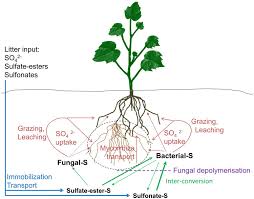
Most of us are accustomed to thinking of soil as part of our ecosystem, and it certainly is that, but soil has its own ecosystem as well. Bacteria, fungi, and viruses form a complex micro-ecology which largely determines the health of plants and the nutritional density of crops. A teaspoon of good soil contains at least a million such tiny creatures, possibly many more. Those micro-organisms interact with the roots of plants in ways we’re just beginning to understand, but it’s clear that certain bacteria perform specific functions for specific plants, without which the plants cannot thrive. Those functions include removing toxins from soil and converting nutrients into forms the plants can utilize.
It’s also clear that different bacteria have evolved to live at different depths, and when we displace them by tilling the soil, they die by the billions. Without their bacterial partners, our food crops are vulnerable to disease and pest pressure. And if they can’t get the nutrition they need from the soil, we can’t get the nutrition we need from them.
So that’s the second reason we’re now planting into undisturbed soil: to protect the vital ecosystem we can’t see.
Next week we’ll look at how no-till planting saves labor.